Your First 30 Minutes After a DC Flash Flood
When a flash flood warning hits Washington, the rain can fall faster than the storm drains can carry it away. Neighborhoods like Bloomingdale, with its low-lying streets and older rowhouses, are especially vulnerable to bloomingdale flooding that sends water into basements within minutes. Once the storm passes, your first instinct may be to run downstairs and start mopping, but the smartest move is to pause and assess the situation safely.
Before you step onto a wet basement floor, check for electrical hazards. If water is touching outlets, the fuse box, or appliances, do not enter. Shut off power at the main breaker only if you can do so from a dry location. Once the space is safe, grab a flashlight and a notebook. Your goal in the first half hour is not cleanup; it is observation. Note where the water is coming from, how deep it is, and whether it smells like sewage or clean groundwater. These details will matter when you call a professional or your insurance company.
Where Is the Water Actually Coming From?
After a basement water after storm event, the source tells you almost everything about the fix. Water seeping through the cove joint where the floor meets the wall usually points to hydrostatic pressure from saturated soil. Water running down the walls often means surface water is pooling against the foundation. Water backing up from a floor drain suggests the city sewer system is overwhelmed, which is common during dc flash flood events. Each scenario calls for a different response.
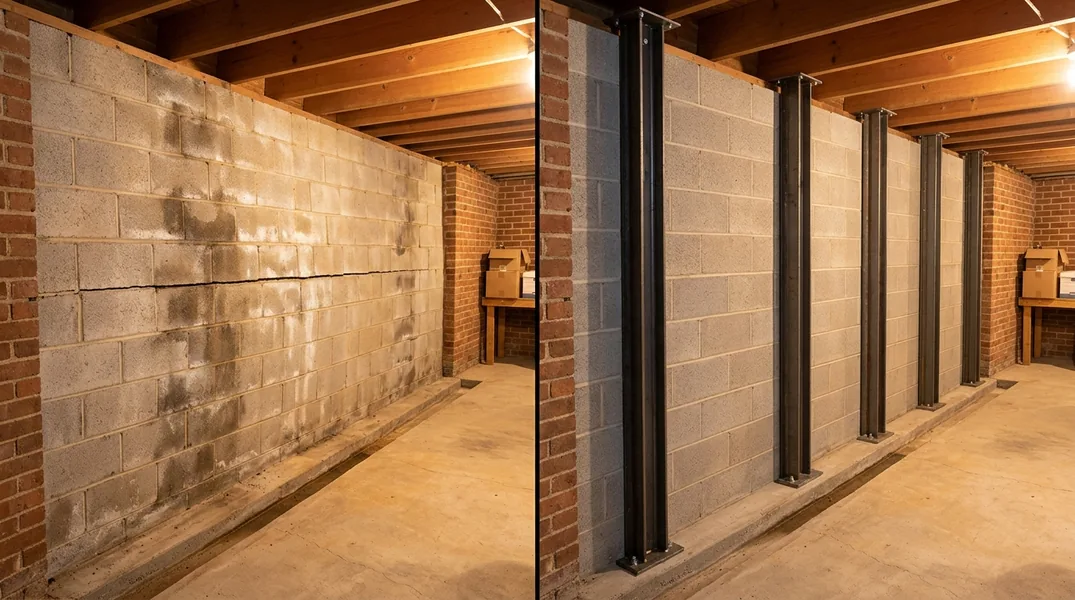
Take photos of every wet area before you move anything. If you see a white powdery substance on the walls, that is efflorescence, a sign that moisture has been moving through the concrete for a while. Cracks that were hairline before the storm may now be wider. For homeowners dealing with recurring seepage, Foundation Waterproofing addresses the root cause rather than just the symptoms. If the water is entering through the floor or cove joint, an Interior Drain Tile System can capture it before it spreads across the floor.
Flooded Basement Cleanup: What to Do Before the Pros Arrive
Once you have documented the damage, start flooded basement cleanup carefully. Remove cardboard boxes, rugs, and anything porous that has absorbed water, because these items can grow mold within 24 to 48 hours. Use a wet/dry shop vacuum to remove standing water, and run fans and a dehumidifier to begin drying the space. Do not use a regular household vacuum on wet surfaces. If the water smells like sewage, wear gloves and a mask, and avoid touching contaminated surfaces with bare skin.
Move electronics and furniture off the wet floor, and prop up anything that cannot be removed. Check the base of your water heater, furnace, and washer for rust or water damage. If your basement has a finished ceiling, look for sagging drywall, which may need to be removed. Keep a running list of damaged items with photos for your insurance claim. Most importantly, do not ignore the moisture that remains in the concrete and framing. Even after the visible water is gone, trapped humidity can cause structural problems and musty odors that linger for months.
Flood Prevention DC: Stopping the Next Storm From Winning
Once your basement is dry, the conversation should turn to flood prevention dc homeowners can actually rely on. Washington's aging infrastructure and dense rowhouse neighborhoods mean that flash flooding is not a one-time event. The same storm patterns that caused bloomingdale flooding will return. The question is whether your basement will be ready. A thorough assessment from a waterproofing professional can identify vulnerabilities you may not see, including failing window wells, clogged footing drains, and cracks that open under pressure.
Solutions range from simple grading and downspout extensions to more comprehensive systems. Exterior Basement Waterproofing can redirect groundwater away from the foundation before it ever reaches your walls. Interior systems manage water that does get in. Many homeowners in Arlington and Alexandria face the same challenges, and the right combination depends on your home's age, soil conditions, and drainage patterns. A professional evaluation is the only way to know which approach fits your property.
Basement Waterproofing Near Me: When to Call a Pro
Some homeowners can handle minor seepage with a dehumidifier and a fresh coat of sealant. But if you have experienced basement water after storm events more than once, or if the water was deeper than a puddle, it is time to call a professional. Persistent moisture damages foundation walls, ruins insulation, and creates a health hazard. Waiting for the next storm to confirm the problem only increases the pricing of the eventual repair.
Washington Waterproofing serves homeowners across Washington and the surrounding communities, including Silver Spring. If you are searching for basement waterproofing near me after a flood, the team can assess your basement, explain your options, and provide a clear plan. Call (771) 240-2593 to schedule a free estimate. The sooner you act, the sooner you can protect your home from the next flash flood.
Looking for a professional basement waterproofing contractor in Washington? Washington Waterproofing responds fast for all your basement waterproofing needs.
Get a Free QuoteOur services: Basement Waterproofing · Interior Drain Tile System · Exterior Basement Waterproofing